








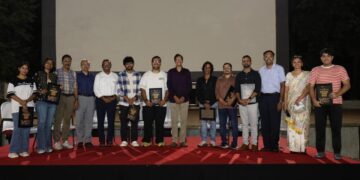










Ahmedabad, 24 October 2026: The Indian Institute of Interior Designers (IIID), Ahmedabad Regional Chapter, successfully organised its 10th Continuing Education Programme (CEP 10), titled “PASTFORWARD – Heritage Conservation & Adaptive Re-use,” at the historic Diwanji ni Haveli in Ahmedabad. The programme brought together design professionals and participants from across India to explore the conservation of heritage structures, the evolution of Ahmedabad’s architectural identity, and the potential of adaptive re-use in contemporary practice.
Ahmedabad, recognised as India’s first UNESCO World Heritage City in 2017, provided a fitting setting for the programme. Through expert sessions, hands-on exercises, heritage walks and interactive discussions, participants explored how historic buildings and neighbourhoods can be conserved while being sensitively adapted to meet contemporary needs.
The programme featured two main speakers, Ar. Ashish Trambadia and Ar. Poonam Trambadia, Conservation Architects, who shared their expertise and practical insights into heritage conservation and adaptive re-use. The sessions covered the origins and evolution of conservation practices, Ahmedabad’s journey as a World Heritage City, and strategies, opportunities and challenges involved in giving historic buildings a renewed purpose. Participants also engaged in practical case studies and discussions on adaptive re-use interventions.
The learning experience extended beyond classroom sessions. Participants took part in a hands-on lime workshop at Nagariwada, an adaptive re-use challenge involving Lakha Patel ni Pol, and guided visits to Diwanji ni Haveli and Jagdeep Mehta’s Haveli. These activities offered first-hand exposure to traditional building techniques, the character of Ahmedabad’s pol houses, and the complexities of conserving historic structures.
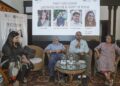
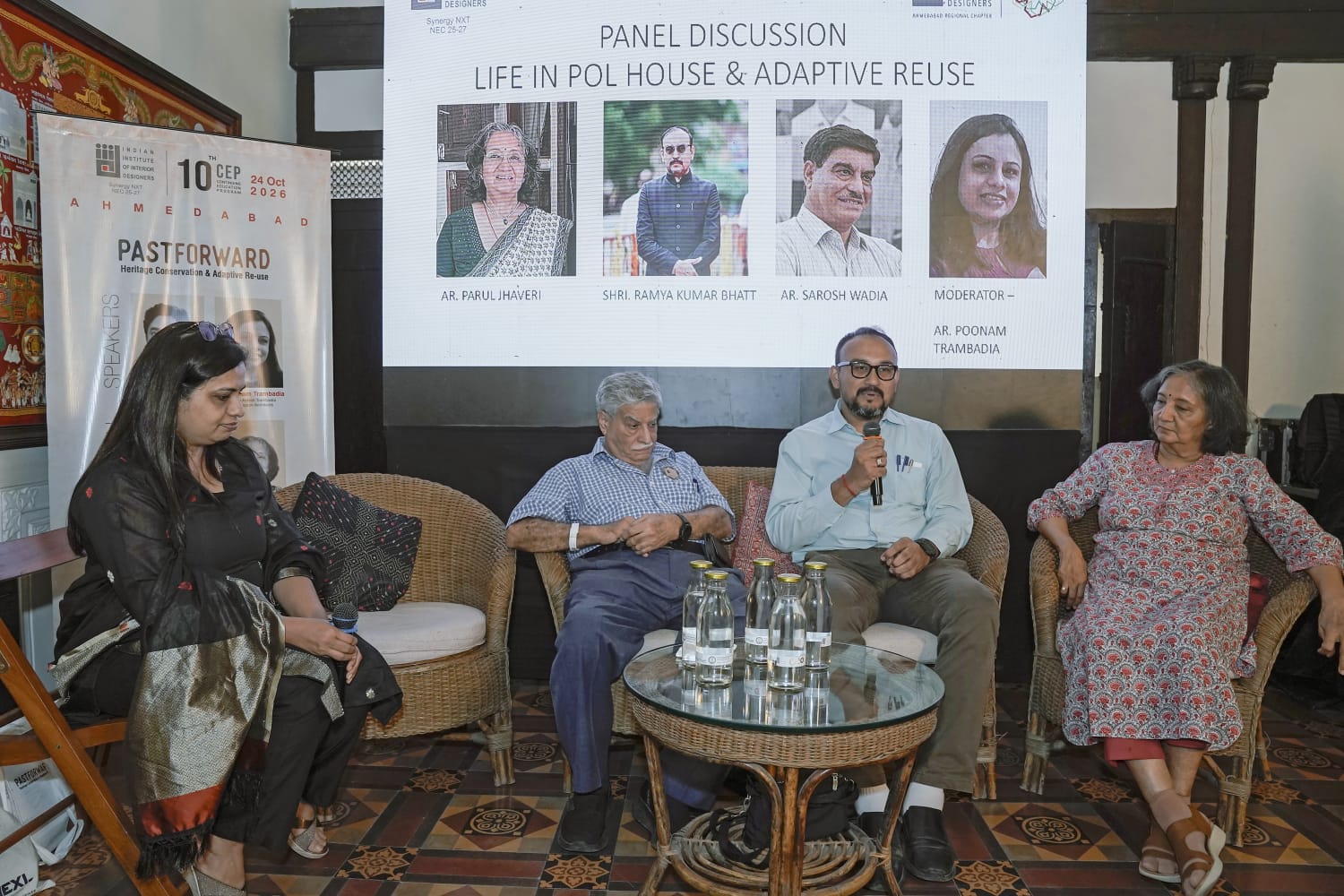
A panel discussion titled “Life in the Pol House and Adaptive Re-use” brought together diverse perspectives on the significance of traditional neighbourhoods and the future of heritage buildings. The panel included Ar. Parul Jhaveri, Shri Ramya Kumar Bhatt, Deputy Commissioner, Central Zone – Heritage, Ahmedabad, and Ar. Sarosh Wadia, with Ar. Poonam Trambadia as moderator. The discussion highlighted the importance of collaboration between design professionals, conservation experts, civic authorities and communities in safeguarding the city’s architectural legacy.
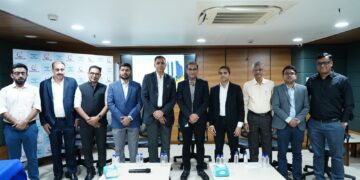
The inaugural session included addresses by Chirag Doshi, Chairperson, IIID Ahmedabad Regional Chapter; Ms. Vaishali Pradhan, CEP Head; and Ar. Sarosh Wadia, Immediate Past President, with Vatsal Joshi, Zonal Head, introducing the expert speakers. The programme was coordinated by the IIID Ahmedabad Regional Chapter team.
Speaking about the programme, Chirag Doshi, Chairperson, IIID Ahmedabad Regional Chapter, emphasised the importance of viewing heritage as a living resource rather than merely a remnant of the past. He highlighted that traditional architecture offers valuable lessons in climate responsiveness, craftsmanship, material use and community living. He also stressed that adaptive re-use can help historic buildings remain relevant by giving them new functions while respecting their original character and cultural significance.
The programme concluded with a renewed focus on the role of architects and interior designers in bridging the past and the future. Through initiatives such as CEP 10, IIID Ahmedabad aims to encourage continued professional learning, exchange of knowledge and greater sensitivity towards the conservation of India’s built heritage.