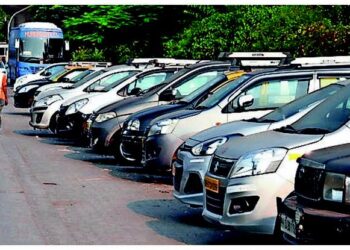
























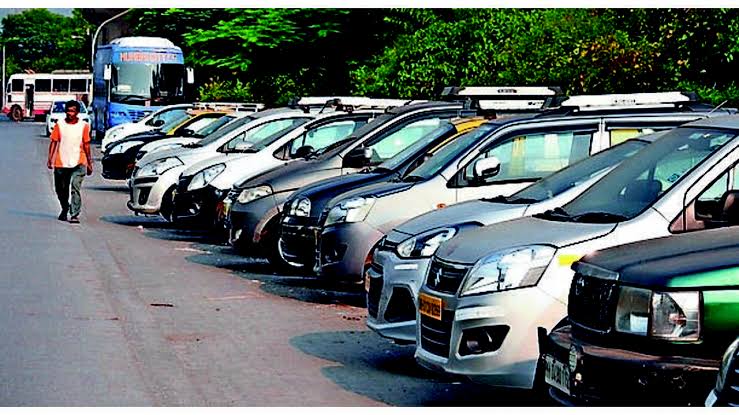
Ahmebad: For Ahmedabad’s cab users, the immediate concern is no longer simply whether a ride is available, but whether they can complete a booking on the platform they have chosen. As passengers report being asked to cancel existing bookings and shift to Bharat Taxi, concerns are emerging over whether reduced platform choice could eventually create conditions resembling a monopoly in the city’s cab market. In recent days, passengers have reported drivers accepting rides on apps such as Uber, Ola, and Rapido and subsequently asking them to cancel and book through Bharat Taxi instead. Local reports and passenger posts on social media describe similar experiences, particularly around airport and railway station journeys.
Reports also point to differences in fares. DeshGujarat cited passenger accounts of Bharat Taxi fares being substantially higher than alternatives on particular journeys, including one reported Ahmedabad–Gandhinagar trip costing more than ₹850 on Bharat Taxi versus about ₹425 for the return journey on Rapido. Ahmedabad Mirror likewise reported passengers saying they were paying more and being encouraged to download Bharat Taxi. These are individual reported experiences rather than a city-wide fare comparison, but they underline the importance of transparent pricing and meaningful consumer choice.
The situation appears linked to a broader driver boycott of established ride-hailing platforms. Local reporting says taxi and autorickshaw drivers have been refusing or cancelling rides booked through Ola, Uber, and Rapido, and encouraging passengers to use Bharat Taxi instead. Drivers have cited concerns around earnings, commissions, and operating economics. From a passenger perspective, however, the immediate effect is disrupted bookings, longer waits, and uncertainty about whether a confirmed ride will actually be completed.
For people travelling to the airport, railway stations, workplaces, colleges, hospitals or homes, a cancellation after a booking has been accepted can create additional waiting time and inconvenience. When passengers are then asked to rebook through another platform, the experience can also involve downloading a new app, checking another fare and arranging another vehicle. These concerns are particularly relevant where passengers have time-sensitive journeys.
The consumer issue is therefore broader than which platform drivers prefer. The consumer issue is therefore broader than which platform drivers prefer. If passengers are routinely encouraged or pressured to move from existing platforms to a single alternative, it raises a larger question around consumer choice and the possibility of a monopoly-like environment. Passengers need clarity on whether they can book the service of their choice, whether a confirmed ride will be honoured, what they will be charged before the journey begins, and what recourse they have if a driver asks them to cancel or change platforms.
Ahmedabad’s mobility ecosystem can accommodate new models and different platforms, and drivers have legitimate concerns about their economics. But the transition should not leave passengers bearing the uncertainty. The emergence of a new mobility platform can expand consumer choice, but the opposite can happen if passengers increasingly find themselves with only one practical option. Preventing a situation where a single platform gains disproportionate control over passenger access and choice is therefore important for Ahmedabad’s mobility ecosystem.
A consumer-friendly system should ensure genuine choice, transparent fares and a predictable booking experience, while any regulatory or operational concerns are addressed through clear and consistently applied processes.